



In today’s rapidly advancing world, security has become a paramount concern. Whether it’s for our homes, businesses, or public spaces, we want to ensure the safety of our loved ones and our valuable assets.
Closed-circuit television (CCTV) cameras have emerged as a reliable solution for surveillance, offering an extra layer of protection. However, with numerous options available in the market, it’s crucial to understand the different types of CCTV cameras to make an informed decision.
In this article, we will delve into the various types of CCTV cameras, their features, and their ideal applications.
Dome Cameras: Keeping a Watchful Eye
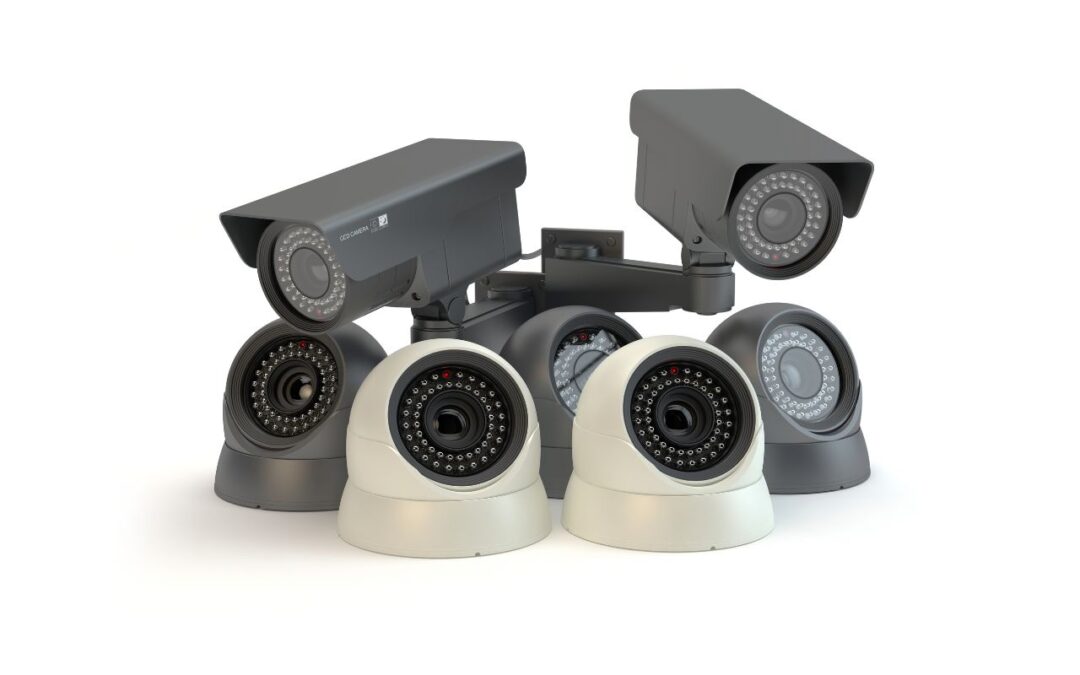
Dome cameras are among the most common types of CCTV cameras and are easily recognizable by their dome-shaped housing. These cameras offer a discreet and unobtrusive surveillance solution, making them ideal for indoor environments.
Their compact size and sleek design allow them to blend seamlessly into any setting. Additionally, dome cameras often feature a wide-angle lens, enabling a broad field of view, minimizing blind spots, and ensuring comprehensive coverage of the monitored area.
Bullet Cameras: The Visible Deterrent
Bullet cameras are named for their sleek cylindrical shape, resembling a bullet shell. These cameras are designed to be highly visible, acting as a deterrent to potential intruders. Their prominent presence serves as a warning, discouraging unwanted activity and promoting a sense of security.
Bullet cameras are typically weatherproof and equipped with infrared capabilities for night vision, making them suitable for both indoor and outdoor surveillance. Their long-range focus allows for detailed monitoring of specific areas, such as entrances or parking lots.
PTZ Cameras: The Pan-Tilt-Zoom Masters
PTZ cameras offer a dynamic and versatile surveillance solution, combining the ability to pan, tilt, and zoom. These cameras can be remotely controlled, allowing operators to track suspicious activities or objects in real time. PTZ cameras often feature advanced tracking algorithms, automatically following moving objects within their field of view. With their comprehensive coverage and zoom capabilities, PTZ cameras are ideal for large-scale areas that require active monitoring, such as airports, stadiums, or parking lots.
C-Mount Cameras: Flexible Lens Options
C-mount cameras are renowned for their interchangeable lenses, providing flexibility in terms of field of view and focal length. These cameras feature a detachable lens system, allowing users to customize their surveillance needs. The C-mount cameras are designed to accommodate both standard and specialized lenses, including telephoto lenses for long-distance monitoring and wide-angle lenses for panoramic views. This versatility makes C-mount cameras suitable for various applications, from small offices to expansive outdoor areas.
Day/Night Cameras: Round-the-Clock Surveillance
Day/night cameras are specifically designed to deliver high-quality surveillance footage in varying lighting conditions. These cameras utilize a combination of technologies, including specialized image sensors and infrared illuminators, to capture clear images both during the day and at night.
The cameras automatically switch between color mode during daylight hours and black and white mode with infrared illumination in low-light or nighttime conditions. Day/night cameras are ideal for outdoor environments that require continuous monitoring, such as parking lots, construction sites, or perimeter security.
Wireless Cameras: The Cable-Free Solution
Wireless cameras have gained popularity due to their convenience and ease of installation. These cameras transmit video and audio signals wirelessly, eliminating the need for complex wiring setups. Wireless cameras are powered by batteries or solar panels, providing flexibility in terms of camera placement.
With advancements in technology, wireless cameras now offer high-definition video quality and secure encryption to protect against unauthorized access. These cameras are particularly suitable for temporary surveillance needs or areas where running cables is impractical.
Infrared (IR) Cameras: Illuminating the Night
Infrared (IR) cameras are specifically designed to capture surveillance footage in complete darkness. These cameras use infrared technology to detect heat signatures emitted by objects or individuals, converting them into visible images.
IR cameras are equipped with infrared LEDs that emit light beyond the human eye’s range, illuminating the scene for surveillance purposes. They are widely used in environments where monitoring is required during nighttime or in areas with limited lighting, such as warehouses, outdoor spaces, or perimeter security.
High Definition (HD) Cameras: Crisp and Clear Detail
High Definition (HD) cameras have revolutionized the surveillance industry by offering superior image quality and resolution. These cameras capture video footage in high-definition format, providing crisp and clear details.
HD cameras are available in various resolutions, such as 720p, 1080p, or even higher, allowing for precise identification of individuals or objects. With their advanced image sensors and improved video compression technologies, HD cameras deliver enhanced surveillance capabilities, making them ideal for critical applications like banks, casinos, or government facilities.
Thermal Cameras: Detecting Heat Signatures
Thermal cameras utilize thermal imaging technology to detect and capture heat signatures emitted by objects or individuals. Unlike traditional cameras that rely on visible light, thermal cameras detect temperature differences and create images based on heat patterns.
These cameras are particularly useful in scenarios where visual identification may be challenging, such as low-light conditions, smoke-filled environments, or perimeter security purposes. Thermal cameras are commonly used in industries like firefighting, industrial inspections, or border control.
Panoramic Cameras: A 360-Degree View
Panoramic cameras are designed to capture a wide-angle view of an entire area, offering 360-degree coverage. These cameras utilize multiple image sensors or lenses to provide a comprehensive view without blind spots.
With a single camera installation, panoramic cameras can monitor large areas, such as open spaces, parking lots, or retail stores. They are capable of capturing high-resolution images and can be used in conjunction with video management software to enable virtual pan-tilt-zoom functionality, allowing users to zoom in on specific areas of interest.
Vehicle-Mounted Cameras: Surveillance on the Move
Vehicle-mounted cameras are specially designed for surveillance applications in vehicles, such as cars, buses, or trucks. These cameras are built to withstand vibrations, shocks, and varying weather conditions, ensuring reliable performance while on the move.
Vehicle-mounted cameras can be installed inside or outside the vehicle, providing both interior and exterior monitoring capabilities. They are widely used in public transportation, law enforcement vehicles, or fleet management systems to enhance safety, monitor driver behavior, or gather evidence in case of incidents.
Hidden Cameras: Discreet Surveillance
Hidden cameras, also known as covert or spy cameras, are designed to be concealed within everyday objects or environments. These cameras are meant to capture surveillance footage discreetly, without arousing suspicion.
Hidden cameras can be disguised as items like clocks, smoke detectors, or even potted plants, blending seamlessly into the surroundings. They are commonly used for covert operations, nanny monitoring, or to gather evidence in sensitive situations.
It’s important to note that the use of hidden cameras must comply with local laws and regulations regarding privacy and consent.
FAQs about CCTV Cameras
What are the key factors to consider when choosing a CCTV camera?
When selecting a CCTV camera, it's essential to consider factors such as the intended location of installation, lighting conditions, required resolution, coverage area, and specific surveillance needs. Assessing these aspects will help determine the most suitable type of camera for the intended application.
How can I determine the ideal placement for CCTV cameras?
To determine the ideal placement for CCTV cameras, consider areas that require monitoring, such as entry points, high-traffic areas, or vulnerable spots. Conduct a thorough survey of the location to identify blind spots, lighting conditions, and potential obstacles. Consulting with security professionals can also provide valuable insights into optimal camera placement.
Can I use different types of CCTV cameras in a single surveillance system?
Yes, it is possible to use different types of CCTV cameras together in a single surveillance system. By combining cameras with various features and capabilities, you can create a comprehensive and customized surveillance solution that addresses specific requirements for different areas within the surveillance environment.
What are the advantages of wireless CCTV cameras?
Wireless CCTV cameras offer the advantage of easy installation without the need for extensive wiring. They provide flexibility in camera placement and can be particularly useful in situations where running cables is impractical or in temporary surveillance setups. However, it's important to ensure a stable wireless network and consider factors such as signal interference and battery life when opting for wireless cameras.
How can I ensure the security of my CCTV camera footage?
To ensure the security of CCTV camera footage, follow best practices such as setting strong passwords for the camera's administrative interface, regularly updating firmware, and using secure network connections. Additionally, consider implementing encryption protocols and restricting access to authorized personnel only.
Can CCTV cameras be used for purposes other than security?
Yes, CCTV cameras can serve purposes beyond security. They can be utilized for traffic monitoring, crowd control, process monitoring in industrial settings, or even wildlife observation. The versatility of CCTV cameras makes them valuable tools in various fields.
What are the key factors to consider when choosing a CCTV camera?
When selecting a CCTV camera, it's essential to consider factors such as the intended location of installation, lighting conditions, required resolution, coverage area, and specific surveillance needs. Assessing these aspects will help determine the most suitable type of camera for the intended application.
How can I determine the ideal placement for CCTV cameras?
To determine the ideal placement for CCTV cameras, consider areas that require monitoring, such as entry points, high-traffic areas, or vulnerable spots. Conduct a thorough survey of the location to identify blind spots, lighting conditions, and potential obstacles. Consulting with security professionals can also provide valuable insights into optimal camera placement.
Can I use different types of CCTV cameras in a single surveillance system?
Yes, it is possible to use different types of CCTV cameras together in a single surveillance system. By combining cameras with various features and capabilities, you can create a comprehensive and customized surveillance solution that addresses specific requirements for different areas within the surveillance environment.
What are the advantages of wireless CCTV cameras?
Wireless CCTV cameras offer the advantage of easy installation without the need for extensive wiring. They provide flexibility in camera placement and can be particularly useful in situations where running cables is impractical or in temporary surveillance setups. However, it's important to ensure a stable wireless network and consider factors such as signal interference and battery life when opting for wireless cameras.
How can I ensure the security of my CCTV camera footage?
To ensure the security of CCTV camera footage, follow best practices such as setting strong passwords for the camera's administrative interface, regularly updating firmware, and using secure network connections. Additionally, consider implementing encryption protocols and restricting access to authorized personnel only.
Can CCTV cameras be used for purposes other than security?
Yes, CCTV cameras can serve purposes beyond security. They can be utilized for traffic monitoring, crowd control, process monitoring in industrial settings, or even wildlife observation. The versatility of CCTV cameras makes them valuable tools in various fields.
Conclusion
Understanding the different types of CCTV cameras is crucial for making informed decisions when it comes to implementing surveillance systems. Each type of camera offers unique features and advantages, catering to specific surveillance needs and environments.
Whether it’s the discreet monitoring of indoor spaces with dome cameras, the visible deterrence of bullet cameras, or the dynamic tracking capabilities of PTZ cameras, selecting the right CCTV camera ensures effective security measures.
By considering factors like lighting conditions, coverage area, and specific requirements, you can create a comprehensive surveillance solution tailored to your needs. Stay vigilant, enhance your security, and embrace the power of CCTV cameras.